
Private Event Sound Setup Guide for Great Parties
A great playlist cannot rescue a sound system that is too small, poorly placed, or not ready when guests arrive.
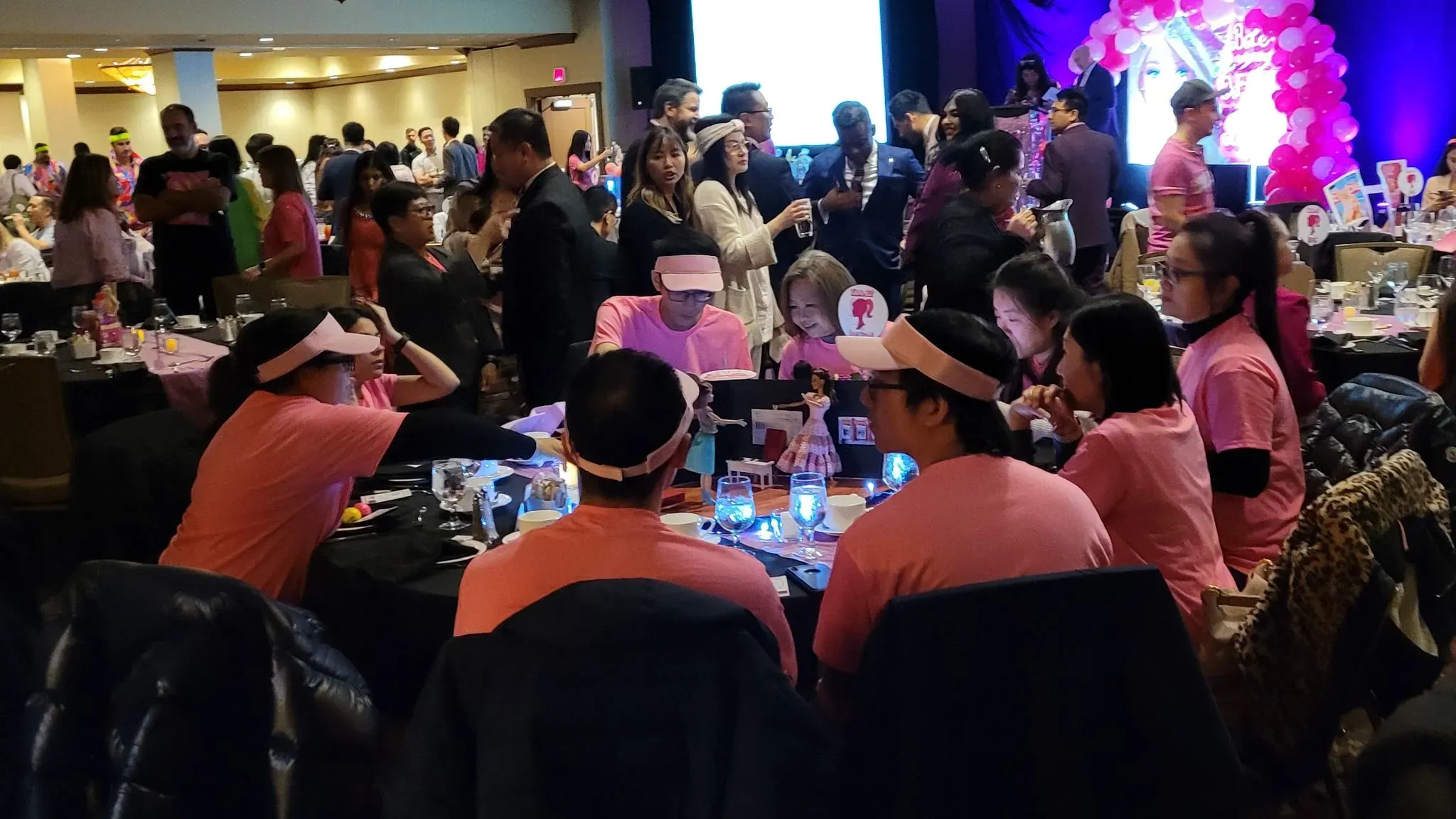
A great playlist cannot rescue a sound system that is too small, poorly placed, or not ready when guests arrive. This private event sound setup guide helps Fraser Valley hosts plan for clear speeches, comfortable conversation, and the kind of dance floor energy people remember long after the last song.
Sound is often the part of an event guests notice only when it goes wrong. A microphone that cuts out during a toast, music that is painfully loud near the speakers, or a delayed setup can quickly shift attention away from the celebration. With the right equipment and a realistic plan, your sound can feel effortless to guests while your event runs confidently behind the scenes.
Start With the Room, Not the Playlist
The venue determines more than the guest count. Its layout, ceiling height, wall materials, outdoor exposure, and available power all affect how sound travels. A small private dining room with low ceilings needs a very different system than a 150-person ballroom, waterfront patio, or community hall.
Hard surfaces such as glass, concrete, brick, and hardwood reflect sound. They can make music feel louder than it really is and turn speech into an echo-filled blur. Soft furnishings, curtains, carpets, and seated guests absorb sound, which can be helpful but may require more coverage in a large room. An experienced DJ or sound provider looks at the room as a whole rather than simply turning up the volume.
For outdoor events, account for the fact that there are no walls to contain the music. Wind can carry sound away from your guests and into neighboring properties. A system that feels powerful indoors may struggle outside, particularly for speeches. Outdoor setups also need weather protection, stable speaker stands, safe cable routing, and a firm backup plan if rain arrives.
Before choosing equipment, confirm where the DJ or sound system will be located, where key moments will happen, and where guests will gather. A ceremony on one side of a property and dinner on the other may require separate sound coverage or extra time to move equipment. That detail is worth identifying early, not five minutes before introductions.
Match the System to the Guest Experience
The goal is not to make every corner of the venue equally loud. It is to create the right volume for each part of the event. Cocktail hour should support conversation. Dinner music should add atmosphere without forcing guests to lean across the table. Dancing needs fuller, more energetic sound with enough low end to make the music feel exciting.
For a small birthday dinner or house party, two quality speakers may provide all the coverage you need. A larger wedding reception, corporate gala, school graduation, or quinceañera usually benefits from a more substantial system, potentially including subwoofers for dance music and additional speakers for a long or divided room.
Subwoofers are not just about booming bass. They allow the main speakers to focus on vocals and higher frequencies, which can improve clarity at a comfortable volume. That said, they are not always the right fit. A formal luncheon, intimate celebration of life, or venue with strict noise limits may need a lighter system built around crisp speech and background music rather than club-level impact.
This is why package selection should reflect your event plan, not just the number of guests. Ask whether you need sound for speeches, ceremony music, dinner, dancing, or multiple spaces. A professional can recommend the equipment that supports those moments without charging you for gear your event will not use.
Speaker Placement Makes a Bigger Difference Than Volume
Placing speakers correctly is one of the fastest ways to improve sound quality. Speakers should generally sit on stands above head height and project toward the audience, not directly into a wall, corner, or row of tables. This helps distribute sound more evenly and keeps guests closest to the system from getting overwhelmed.
For dance floors, aim the main speakers across the dance area rather than straight at the head table or bar. Guests who want to talk can step away from the energy, while dancers get the full experience. At dinner, a balanced setup can keep music present across the room without creating one noisy section and one silent section.
Avoid placing speakers immediately beside microphones whenever possible. When a microphone points toward a speaker, the result can be feedback: that sharp, high-pitched squeal nobody wants to hear during a heartfelt speech. Proper placement, professional microphones, and sound checking keep this risk low.
If your room is long, L-shaped, or separated by columns, consider delayed or secondary speakers. These fill distant areas without forcing the main speakers to run excessively loud. It is a more polished solution for larger venues and helps every guest hear announcements clearly.
Plan Microphones Around Real Event Moments
A single handheld microphone is often enough for a simple toast, but it is not a complete microphone plan for every event. Think through who needs to speak, where they will stand, and whether they need their hands free.
Wireless handheld microphones work well for speeches, audience participation, karaoke, and a lively MC. A wireless lapel or headset microphone may be the better choice for an officiant, presenter, or host who needs to move freely. For a wedding ceremony, having a microphone for the officiant and a separate option for readings or vows can make a major difference for guests seated farther away.
Microphone etiquette also matters. Keep the microphone close to the speaker's mouth, speak naturally, and avoid tapping it to test it. For a speech with several people, ask them to pass the microphone carefully or place it on a stand. A quick reminder from the DJ before the first toast prevents awkward fumbling when the room is waiting.
Do not overlook video. If you are filming a ceremony, presentation, or milestone speech, clear live sound does not automatically mean clean audio in the final recording. Discuss recording needs ahead of time so the videographer and sound provider can coordinate appropriately.
Power, Cables, and Safety Are Part of the Setup
Professional sound systems need reliable electrical power. Ask your venue which outlets are available, whether they share circuits with catering equipment, and whether outdoor power is protected. A circuit overloaded by heaters, coffee machines, lighting, and audio gear can trip at exactly the wrong time.
Extension cords should be rated for the job, run safely, and taped or covered where guests may walk. Loose cables are both a safety issue and an event risk. A clean setup protects guests, keeps equipment secure, and looks much more professional in photos.
Backup planning is equally valuable. A dependable provider arrives with tested equipment, spare cables, charged wireless microphone batteries, and a backup music source. Technology can fail, but a well-prepared team has options ready before guests notice a problem.
Give Sound Check Time the Respect It Deserves
A proper sound check is not a quick button press after the first guests walk in. It is the time to test speakers, microphones, music levels, wireless signal strength, and any venue-specific restrictions. It also gives the DJ a chance to confirm key names, pronunciation, cue points, and the order of formalities.
Build enough access time into your venue schedule. Larger setups, ceremony systems, lighting, photo booths, and multiple entertainment areas take longer to install than a single speaker. If the venue allows load-in only shortly before doors open, tell your entertainment provider immediately so the plan can be adjusted.
Share your event timeline in advance. Your DJ should know when doors open, when food service begins, who is giving speeches, when the cake is cut, and when you want the dance floor to take off. The best sound setup supports the flow of the celebration rather than competing with it.
Know When DIY Is Enough and When It Is Not
A simple Bluetooth speaker can work for a casual backyard gathering with a small group and no formal program. The trade-off is limited coverage, no dependable microphone support, and little protection if the equipment fails. Once you add speeches, a mixed-age guest list, dancing, or more than one event space, DIY audio becomes much harder to manage while also hosting.
Professional DJ service is especially valuable when you want one team responsible for music, announcements, microphone management, and crowd energy. Fraser Valley DJ can build a package around the size and style of your event, including professional sound, wireless microphones, lighting, MC support, and interactive add-ons when they fit the occasion.
The right setup should never make guests think about speakers, cables, or volume. It should let them hear every meaningful word, enjoy every song, and stay present for the moments you worked so hard to create.